The Listing Photo Mistakes That Cost You Showings
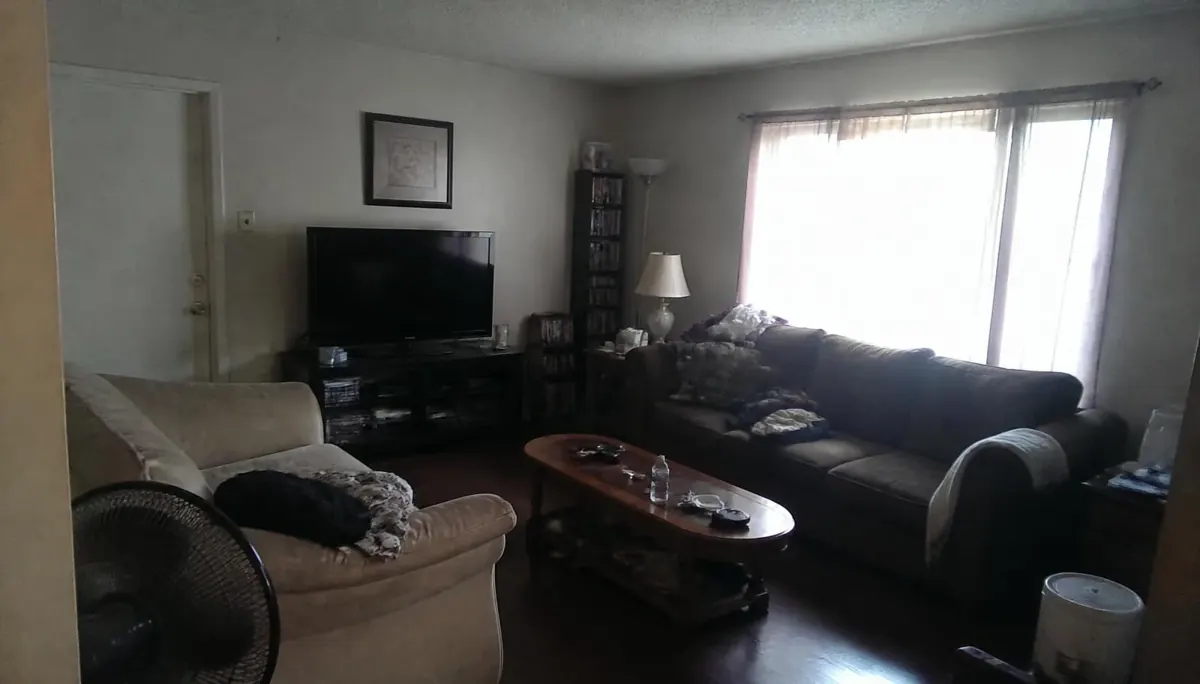
A buyer decides whether to keep scrolling in about two seconds, on a phone, in a list of twenty other properties. That decision is made on one image and a price. Everything below is a mistake that gets made constantly, costs showings quietly, and takes minutes rather than money to fix.
The lead photo is the wrong photo
The first image should be the property's strongest single frame, and for most homes that is the front exterior in good light. Agents lose showings by leading with whatever the camera captured first: a driveway, a hallway, a bathroom, an aerial shot so wide the house is a smudge.
Two rules. If the exterior is the selling point, lead with the exterior. If the exterior is weak — a dated façade, a shared entry, an awkward street — lead with the best interior room and place the exterior third or fourth. Never lead with a bathroom, a laundry room, a garage or a close-up detail.
Also check how the lead image crops on a phone. Portals square it or letterbox it, and a composition that works on your desktop can cut the roofline off on a 390-pixel-wide screen.
Dark interiors
The most common single failure. A room that looks acceptable on the camera's screen in the house looks like a cave on a buyer's phone outdoors.
Dark photos suggest small rooms, dated finishes and deferred maintenance, whether or not any of that is true. The cause is nearly always exposing for a bright window, which pushes the whole interior down.
Fix it at the shoot: turn on every light in the house, including range hoods and closet lights, open the blinds fully, and bracket exposures from a tripod so you have a bright frame and a window-detail frame to combine. Fix it in editing: lift shadows and midtones before you touch anything else.
Crooked verticals and tilted horizons
Door frames leaning inward, walls splaying, a kitchen counter running downhill. The buyer rarely names this, but the house registers as cheap and the photos as amateur.
Almost all of it comes from tilting the camera up or down instead of moving it up or down. Keep the sensor level and change your own height. If you already have the shot, correcting perspective in editing takes seconds and is the single highest-return correction on a typical agent-shot set.
Visible clutter and personal life
Buyers cannot see past a full trash can. They also cannot unsee a toilet seat left up, a pet bed, medications on a nightstand, a wall of family photos or a car parked across the front of the house.
The short checklist before you shoot:
- Cars off the driveway and out of the frame, bins out of sight.
- Counters cleared to two or three deliberate objects.
- Toilet lids down in every bathroom, towels matched and straightened.
- Pet bowls, litter trays, toys and beds removed entirely.
- Personal photographs, calendars and children's artwork taken down.
- Cords, chargers and remote controls out of frame.
Add one more: your own reflection. Mirrors, glass shower doors, oven doors and darkened TVs all catch a photographer standing in the room.
Too many photos, saying the same thing
Thirty-eight images of the same living room from four angles trains a buyer to swipe fast, and speed is the enemy of interest. Volume also buries the good frames.
Twelve to twenty-five images for most homes. One strong frame per room, two for large or double-aspect rooms, plus exterior front, exterior rear, yard, and any genuine feature. Cut anything that does not add new information: a second bathroom angle, a close-up of a light switch, three near-identical hallway shots.
No sense of layout or order
Photos should walk a buyer through the property the way a showing would: exterior front, entry, main living space, kitchen, dining, bedrooms in order of size, bathrooms, secondary spaces, outdoor space, then any view or community feature.
Random order makes a house feel confusing, and a confusing house feels smaller. If two spaces connect, show that connection in at least one frame so the buyer can assemble a floor plan in their head.
Missing the rooms buyers need to see
A set with no primary bathroom, no second bedroom or no rear exterior signals a problem, and buyers assume the worst. An honest photo of a modest room outperforms a missing room every time, because the missing one gets imagined as far worse than it is.
If a space genuinely does not photograph — a windowless interior room, a basement with low clearance — shoot it well-lit and straight-on rather than leaving it out.
Over-editing that the showing contradicts
Skies dropped in at the wrong angle to the shadows on the house. Grass turned a green that does not occur in that climate. Walls so brightened that furniture appears to float. Lens distortion so extreme that a 12-foot room reads as 20.
Buyers who arrive at a house that looks worse than the pictures do not make offers, and the agent's next listing carries the reputation. Enhancement should make the photograph match a good day at the property, not invent a different property.
Check your MLS's rules as well. Most boards allow tonal correction, white balance, straightening and — with disclosure — sky replacement and virtual staging, while prohibiting the removal of permanent features like power lines on the lot, cracks, or neighboring structures.
Inconsistent color across the set
One room orange, the next blue-gray, the exterior slightly green. Individually forgivable, collectively the set looks unprofessional and the house looks poorly maintained.
Correct white balance to neutral in every frame, then apply the same treatment across the whole set. Consistency is more persuasive than any single striking image.
The practical fix order
If you only have fifteen minutes with an existing set, do this in order:
- Choose a better lead image.
- Brighten every dark interior.
- Straighten every crooked vertical.
- Delete the redundant frames.
- Reorder into a walkthrough sequence.
- Match color across the set.
Steps two, three and six are the ones agents put off because they mean sitting with editing software after a full day. That is the part Quick Listify does for you — upload the set, get corrected, consistent, MLS-ready images back, and spend the time you save on the steps only you can do.